



What is cnc machining service?
Understanding the CNC Machining Process
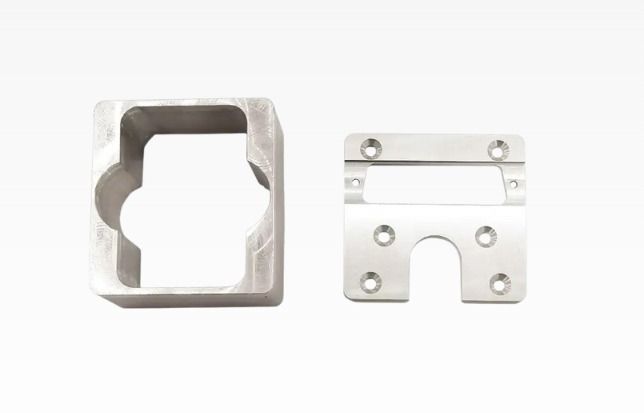
CNC machining is a Computer-Aided Manufacturing process that uses an automated system that controls the movement of tools and machines using pre-defined software. The automation of lathes, mills, routers, and grinders allows for the creation of CNC of incredibly intricate components with ease. The process starts with CAD/Computer-Aided Design, where the part is designed and then transformed into G-code, which instructs the CNC machine on the required cutting, drilling, or milling actions to perform.
For more in-depth information you should view CNC Machining Service – Kingsun
Key Benefits of Using CNC Machining
Precision and Accuracy – CNC machines yield tolerances within a thousandth of an inch which ensures repeatability and reliability, especially for intricate designs.
Efficiency and Speed – CNC machining greatly reduces manufacturing time without sacrificing quality due to the low amount of human oversight needed.
Scalability – CNC machining can be used for prototyping, but is also efficient for large-scale production runs making it versatile for different project requirements.
Reduction in Errors – The instructions given to CNC machines guarantee the reduction of human error, thus enhancing the quality of parts produced and lowering waste levels.
Material Versatility – CNC machining is capable of processing a wide range of materials such as metals, plastics, ceramics, and composites, making it beneficial for different sectors and industries.
Types of CNC Machines Used in the Industry
CNC Milling Machines – Designed for part manufacturing, these machines cut and remove extraneous material using rotary cutting tools; they are perfect for creating parts with intricate contour details or slots.
CNC Lathes – These machines are designed for cylindrical-symmetric parts. Lathes perform the operation of rotational cutting of the material, which is perfect for shafts, bushings, and threading.
CNC Routers – These are used to cut softer materials like wood, plastics, and aluminum with high-speed accuracy, making them essential in the production of furniture or signs.
CNC Plasma Cutters – Used for cutting conductive metals, plasma cutters slice materials by expelling hot plasma at high speeds. These cutters operate in an efficient and clean manner.
CNC Electric Discharge Machines (EDMs) – These machines are specialized for cutting hard materials, with controlled electric discharge machining workpieces, These are often used in the tool and die industry.
Gaining knowledge about these types of CNC machinery helps us understand why it is an equally adopted technology across many fields like automotive, aerospace, medical, and consumer electronics.
How to choose the right cnc machining service for your project?
Factors to Consider When Selecting a CNC Shop
CNC machining service providers can significantly make or break your project, so their selection is critical. This guide will help you on key factors to evaluate, such as:
Technical Competencies – Take into consideration if the CNC shop has the level of complexity and scale of machinery for your project. Evaluate if they have multi-axis CNC machines or EDMs as well as the types of materials they are capable of machining.
Quality Assurance – As with any other shop, ensure that robust processes are put in place for quality control. Look into certifications like ISO 9001 or AS9100 as they are guarantees of precision and reliability in the components produced.
Lead Time & Flexibility – Check if the shop can deliver on your deadline and how they deal with unanticipated changes. CNC service providers with clear communication and efficient workflows will bring you peace of mind.
Cost Efficiency – Evaluate if their pricing matches your budget as well as the cost to value ratio of their services. Cost should not come at the expense of value.
Customer Support & Communication – Technical issues during production require the CNC shop to be responsive. A professional CNC shop will provide updates and have a customer support team ready at all times.
Learning About Tolerance Levels in Machining
In machining, tolerance levels are the limits of acceptable deviation from the set dimension of a part and therefore, it’s fit and function. The tolerances are usually set out by the engineering measurement of the project and depend on the application. For example, aerospace or medical components require very tight tolerances within microns of each other due to the intricate nature of the work. It is also necessary to choose a CNC machining service that has the precision capability and detail design requirement for your project.
Why is Surface Finish Important in Machining Services?
Surface finish is one of the most important features of CNC machining because it affects the functionality, durability and aesthetic of item made as the final product. Surface finish also impacts friction, wear resistance, and even corrosion. Medical implants optical components or components with sealing surfaces require high accuracy finishes. These surfaces should not only be functional but also visually appealing. Consider choosing a machining service that incorporates advanced polishing or anodizing techniques so that the components can be visually appealing as well as functional.
What materials can be used in cnc machining?
Comparing Metal vs. Plastic in CNC Machining
Selecting plastic versus metal for CNC machining is determined by an application’s requirements of strength, durability, weight, and surrounding environment. Metals such as aluminum, steel, and titanium are strong and thermally resistant to high stress, making them perfect for aerospace, automotive, and industrial applications. On the other hand, lightweight machinable plastics are more cost-effective to process and corrosion resistant for medical devices, electronics, and some consumer products. While metals are superior in terms of mechanical strength, plastics offer chemical resistance and preservation of complex geometrical forms through easy manufacturing methods.
Materials CNC Machining Custom Parts is Done With
CNC machining covers a wide range of materials across tailored industries. Commonly used metals are aluminum, which is light and easy to machine; stainless steel, which is well known for its strength and resistance to corrosion; and titanium, with its strong but light build that is effective for demanding applications. Plastic materials like acrylonitrile butadiene styrene (ABS), polycarbonate, and POM (polyoxymethylene) are selected due to their machinable and versatile properties. In addition, advanced composites and specialty materials, as well as engineering-grade carbon-fiber reinforced plastics, can be designed to meet counter unique strength and weight design needs.
Benefits of Using High-Strength Alloys in Machining
In relation to CNC machining for critical applications, high-strength alloys like titanium alloys and high-grade steels offer significant benefits. These types of CNC materials are designed to endure harsh conditions like high temperatures, severe loads, and even corrosion, making them ideal for aerospace, defense, energy, and medical industries. Their noteworthy mechanical properties aid in manufacturing components with extended lifespan and high reliability. Moreover, CNC machining’s precision makes it possible to fabricate complex designs that are frequently needed for high-performance parts. Although high-strength alloys present some difficulties, such as greater tooling wear or reduced machining speeds, achieving better performance usually outweighs the cost.
How does the online cnc machining service work?
Steps to Upload Your CAD File for Quotes
Create an Account or Log In
First access the website for the CNC machining service. You may create a new account or log in to an existing account to access the quoting services.
Upload Your CAD File
Make sure the design file is in STEP, IGES, or STL and other accepted formats. Use the CAD upload tool to the platform and upload your file.
Specify Material and Finish
Choose any of the listed materials available for your part and surface finishing allowances if you have specific requirements towards your design.
Add Notes or Special Requirements
Add any extra instructions or tolerances in the notes box. This ensures that the quote captures the precise details of your custom part.
How to Get an Instant Quote Online
After uploading your CAD file along with the project parameters, the system evaluates the design in regard to the material, finish, and complexity. Through sophisticated algorithms, the platform is able to give you a quote, including costs, time needed, and options for manufacturing. You may change some parameters in order to assess how the price and delivery window change before placing your final order. Comprehending the Custom Parts Creation Cycle
Following your order confirmation, production will initiate. Considered materials are procured, and CNC programming is done for the design you provided. Craftsmen monitor the machining to maintain precision and repeatability. After the processes, the parts are subjected to quality inspection for checking surface finish measurement tolerances, and other error or damage metrics. They are then packaged for shipment to the customer’s preferred destination.
What is the cost of cnc machining service?
Factors That Affect CNC Machining Service Cost
Like most services, the price for CNC machining will differ depending on the specifics of the task. The type of material selected can drastically alter the price. Materials such as titanium, specialty alloys, and high-grade steels are more expensive than aluminum or plastic. The complexity of the design is another thing that affects the price. More advanced designs, with difficult intricacies, require extensive programming for accurate manufacturing and more advanced machinery. The volume of parts that need to be produced greatly affects the price as well. In general, the more produced, the lower the price per unit due to unused materials and quick machine setup. Other secondary procedures, such as polishing, heat treatment, and surface treatment, contribute to the overall cost as well. Furthermore, lead times will always affect pricing since expedited projects will need extra costs in order to prioritize resources.
Assessing Pricing Custom CNC Versus Standard Parts
Due to the unique nature of the work being done, custom CNC machining will nearly always carry a higher cost than standard or off-the-shelf pieces. This is mainly because of its ability to achieve highly precise and exact pieces to clientele demand. Superior grade materials with custom shapes created using meticulous design files for the CNC equipment are accompanied by time-intensive quality control protocols. Unlike custom parts, standard pieces go through mass production. Therefore, their price are significantly lower due to economies of scale. While the advance in price is justified, the unparalleled flexibility and precision that custom CNC machining brings makes it ideal for projects with strict geometries and astonishing specifications that standardized parts fail to meet.
How to Ask for a Quotation For Your Machining Project
Acquiring a quote for your CNC machining project usually entails larger work, including providing specific details pertaining to your requirements. Make sure to include a 3D CAD file along with your design, which contains all the relevant dimensions, tolerances, and material specifications. State the required quantity, the application you intend it for, and any other requirements like finishing inspection or additional services. Also, if required, state the deadlines you have, including the delivery date that you would like for your project. Most CNC machining services have dedicated representatives or online portals that help with quoting. Complete and comprehensive information allows you to receive accurate quotes that are also competitive and adjusted to your specific project’s requirements.