






Grassroots sport is the base of the sports industry. It helps to keep a flow of athletes coming through. It is where the journey for top-level competition begins. Local tournaments are very important for finding talent and fostering regional competition. Users increasingly use tools like the Melbet APK to watch games and analyze amateur league numbers, helping them efficiently collect information about games. Local sports competitions provide accessible opportunities for regular physical activity and can reduce some of the financial barriers associated with elite training programmes.
The sports world works like a pyramid, where the top consists of elite teams and international games, but the entire system relies on the strength of its base, which is made up of municipal competitions. If the local sports infrastructure does not work well, it will be hard to get players into the professional sports world.
Infrastructure Base And Sociocultural Integration
Grassroots sports grow hand in hand with the quality of life, in municipalities. I see how grassroots sports organize competitions that push local authorities and private investors to modernize infrastructure like renovating school stadiums, building multi‑purpose sports grounds and upgrading basic equipment. The steady hosting of tournaments turns neglected lots into social hubs that bring communities together and spark civic energy in every corner of town.
These local events perform vital sociocultural functions:
- Demographic reach – connecting with people, from vulnerable social groups in a structured, regulated and safe environment.
- Health Promotion – regular participation in physical activity can help reduce the risk of certain chronic conditions, including type 2 diabetes and cardiovascular disease.
- Cohesion – building strong horizontal ties, among residents of a municipality and Social cohesion also helps overcome class and ethnic barriers through teamwork.
- Promoting volunteerism – having citizens volunteer for administrative, logistical and officiating duties, which increases civic responsibility.
These are among the most important events with sociocultural functions.
Economic Architecture Of Regional Competitions
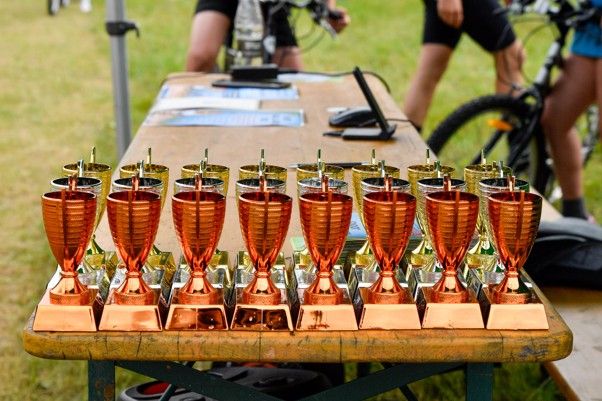 The way grassroots sports is funded is very different from sports. Local teams don’t have television deals worth millions of dollars. They depend on money from the city, money raised by people online and deals with businesses nearby. So holding local games every week helps the local economy. These games create work for companies that make sports gear, help companies that move things around and make money for restaurants, on game days.
The structural and economic differences, between franchises and amateur models show how professional franchises and amateur models experience their own financial realities:
| Economic Parameter | Professional Franchises (Elite) | Local Tournaments (Grassroots) |
| Funding Sources | Global media rights, transnational sponsors | Municipal budgets, local businesses, membership fees |
| Budget Allocation | Athlete payroll, multi-million transfer fees | Municipal infrastructure rental, purchase of basic equipment |
| Infrastructure Base | Permanent stadiums and specialized training facilities | School fields, open municipal complexes, and indoor arenas |
| Key Return on Investment (ROI) | Direct commercial profit, shareholder dividends, valuation growth | Social capital, national health, effective territorial branding |
Recent technology improvements have helped amateur leagues get media attention that’s similar to that of top-level teams. Local tournaments now use IT tools to run competitions. Amateur sports groups are using cloud‑based CRM systems to manage player sign‑ups automatically create tournament brackets and keep track of player discipline issues. Small portable cameras with computer vision technology are now commonly used to broadcast games, in quality giving local fans more content to watch.
Fans and talent scouts want to see schedules and full tournament details away. To keep up with stats betting odds and deep game analysis people rely on software. To get reliable access to sports data and live scores many users download the Melbet APK from the official site. This helps connect sports events to the global sports information network. Using these tools turns sports from something informal into something that can be measured, tracked and analyzed clearly.
Youth Development And Long-Term Athletic Progression
Local tournaments play a part in the long‑term growth of young athletes. These events let players get competition experience, sharpen their technical skills and learn how to do well when pressure rises. Unlike academies local grassroots competitions are usually easier for children, from different financial and social backgrounds to enter. This means that kids can grow in sport at their pace without having to face the costs and high expectations that come with elite sports too soon.
Joining regularly in events also helps coaches see how each athlete is improving. Beyond watching training sessions coaches can see how young players react against real opponents, make choices during games and work together with teammates. These observations help coaches design training plans and notice which areas need focus.
Grassroots tournaments are especially helpful for athletes, in several key areas:
- Playing in games lets players practice and get better at skills by facing real people. Competing in games helps players feel more confident and makes their actions more precise.
- Tactical awareness – games teach athletes to watch what the other team is doing. Games also help athletes see patterns. They can change their plans quickly when things change.
- Psychological resilience means that young players learn how to deal with losing, how to enjoy winning in a way and how to stay calm when things are tough. These experiences can help young athletes develop confidence and emotional resilience.
- Teamwork and communication – when the team has experiences in competition the team builds trust, works together and takes responsibility for each other.
- Accessible competitions can encourage children to remain involved in sport over time. They continue playing after early problems or bad moments.
The quality of youth development depends on more than the number of scheduled matches. What really matters is putting kids in age- groups having coaches who are well trained giving them enough time on the field and following strong safety rules. These things are just as important, as games. When organizers care more about learning than winning it creates an environment. Young players can grow at their pace. They don’t feel pushed to pick one sport early. That’s what helps them stay happy and keep playing.
Coaching Standards And Sustainable Competition Management
The long-term success of sport relies on organization and coaching standards. Tournaments that look good at first often fail because the organisers did not have rules, qualified officials or good facilities. When sport-management procedures are put in place local competitions can stay open, remain fair and keep money flowing for seasons.
Coaches are at the center of everything. Coaches connect the thrill of competition with the long‑term development of athletes. A coach does more than teach skills. A coach must also manage training loads, encourage behaviour, detect signs of fatigue and create a safe space for everyone. When coaches keep learning, volunteer or part‑time coaches can use proven methods without needing the budgets of professional clubs.
Selection Pool And Institutional Continuity
Competitions are very valuable for the sports industry because competitions act as a deep‑level scouting tool. Professional academies cannot physically or financially reach every part of a country’s population so local tournaments become a decentralized self‑regulating network that finds talent, players who because of distance or cost did not join the elite training system when they were younger.
Sports officials and data teams see championships as a source of talent. FIFA’s training reward mechanisms can provide eligible training clubs with compensation when players become professionals or complete qualifying transfers. Under FIFA regulations, eligible training clubs may receive training compensation when a player is first registered as a professional, while solidarity contributions are linked to qualifying transfers involving transfer fees.
This money chain helps keep grassroots sports going and pushes tournament organizers to make games more competitive. Cheap wearable GPS trackers at the level let scouts see players’ body data. Like how far they run, their top speed and how hard they sprint. Way before they turn pro. Grassroots sports, backed by tracking and local money, build the foundation. Without strong grassroots programmes, professional sport would have fewer opportunities to identify and develop talented athletes from different communities.